Why Sealed Pokemon Cards Increase Value
An Evolving Skies booster box released in August 2021. Five years on, a sealed one trades at around $2,350 (PriceCharting market price, checked October 2026): many times what it cost new, on a box of Pokemon cards.
Not every sealed product follows that trajectory. Some plateau. Some decline. But the ones that do appreciate tend to share specific characteristics, and understanding those characteristics is the difference between a smart sealed purchase and an expensive shelf ornament.
The Supply Destruction Mechanic
Pokemon prints a set, distributes it, and moves on. Once a set goes out of print, no new sealed product enters the market. But sealed product leaves the market constantly. Every collector who opens a booster box permanently removes one unit from the sealed supply.
Sealed Pokemon product is designed to be opened, and most of it eventually is. The supply curve only goes in one direction: sealed units are removed permanently every single day through openings, damaged packaging, and lost shipments, and it accelerates when a set's chase cards generate opening demand on YouTube and social media.
The rate of supply destruction varies by set. Products with high-value chase cards get opened faster because the expected value per pack justifies cracking sealed product. Evolving Skies lost sealed supply rapidly because the Eeveelution alternate arts were so desirable that collectors and content creators alike were opening everything they could find. By contrast, sets with weaker chase cards retain more sealed supply, but also generate less collector interest, which limits appreciation potential. The sweet spot is a set with strong enough chase cards to drive demand but not so aggressively opened that sealed supply vanishes before prices can climb.
What Drives Demand
Supply destruction alone doesn't create value. Demand has to exist, and it has to persist or grow. Three factors drive sustained demand for sealed Pokemon products:
Nostalgia cycles. The collector base isn't static. Adults who grew up with Pokemon in the late 1990s and 2000s re-enter the hobby with disposable income. The Mega Evolution era specifically targets this demographic by reviving a mechanic from 2014-2016. A sealed Mega Evolution base set ETB today appeals to the same collectors who bought XY-era packs as teenagers.

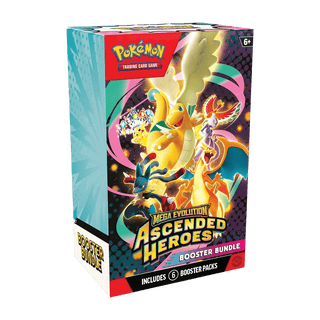
Chase card magnetism. Sets with standout SIRs or unique rarity tiers generate sustained interest. The Mega Gengar ex SIR from Ascended Heroes (see the pull rate calculator for today's value) keeps that set in conversation months after release. Every content creator opening Ascended Heroes packs on camera drives more collectors to seek out sealed product. The relationship between single card values and sealed product demand creates a flywheel effect: expensive chase cards make the sealed product more appealing, which reduces sealed supply, which pushes sealed prices up.
Scarcity signals. When a set goes out of print, buyers who were undecided tend to act, and that demand lands on a supply that is no longer growing. The clearest signal is the point where new product stops reaching shelves: that is typically when sealed prices make their first distinct move. This is market mechanics, not a reason to rush. The sets that reward holders are the ones where demand holds up long after that first move, and patience matters more than timing it.
Historical Proof Points
| Set | Released | Sealed product | Sold for |
|---|---|---|---|
| Base Set | 1999 | Unlimited booster box | $43,750 and $47,500 (Heritage Auctions, 1 October 2026) |
| Hidden Fates | 2019 | Elite Trainer Box | About $520 |
| Evolving Skies | 2021 | Booster box | About $2,350 |
| Crown Zenith | 2023 | Elite Trainer Box | About $320 |
US sold prices via PriceCharting, checked on 5 October 2026.
Evolving Skies (2021): sealed booster boxes trade at around $2,350 in October 2026 (PriceCharting), five years after release. Driven by Eeveelution alternate art cards that became the most sought-after modern chase cards. The set went out of print faster than expected, and sealed supply contracted rapidly as content creators drove opening demand.
Base Set (1999): sealed Unlimited booster boxes sold for $43,750 and $47,500 at Heritage Auctions on 1 October 2026 (via PriceCharting). Extreme example, but it illustrates the long-term ceiling for sealed Pokemon product from culturally significant sets.
Crown Zenith (2023): sealed ETBs trade at around $320 (PriceCharting, checked October 2026), under four years after release. The set's position as the "artistic pinnacle" of the Sword & Shield era created collector demand that outlasted the initial release period.
Hidden Fates (2019): Another instructive example. Sealed ETBs trade at around $520 (PriceCharting, checked October 2026). The shiny vault subset gave this set a unique identity that kept collectors interested years after it left print. Sets with distinctive mechanics or subset structures tend to age better than standard expansions.
Pokemon Center Exclusives Outperform
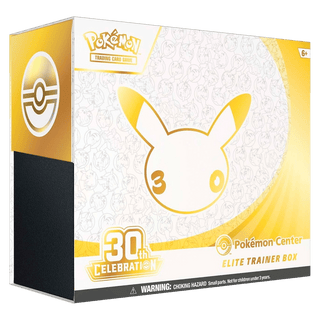
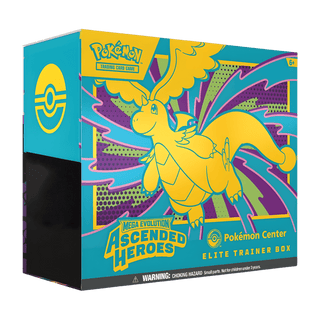
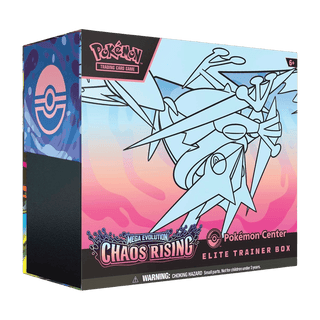
Compare any PC exclusive ETB against its standard retail equivalent from the same set. On eBay sold prices in October 2026 (PriceCharting), the Pokemon Center ETB sold for 1.6 to 3.7 times the standard ETB of the same set across eight recent English sets, with the biggest gaps on Destined Rivals (3.7 times) and Prismatic Evolutions (2.8 times). That premium exists because PC exclusives have structurally smaller print runs, exclusive content (stamped promos, extra packs), and a collector base that specifically tracks these variants.
A Perfect Order PC ETB and a retail Perfect Order ETB contain booster packs from the same set. But the PC version will almost certainly be worth more in three years. Limited distribution creates genuine scarcity that mass-market retail can't replicate. Our Pitch Black guide sets the Pokemon Center and standard ETBs of one set side by side.
The UK market adds another layer to this. Pokemon Center UK serves a smaller customer base than the US or Japanese equivalents, meaning UK-purchased PC exclusives have even tighter supply. A PC ETB bought from Pokemon Center UK and kept sealed in the UK market has a smaller competing supply pool than the same product in North America. This geographic scarcity advantage is something UK collectors can leverage that many overlook when evaluating their sealed holdings.
When Sealed Products Don't Appreciate
Not everything goes up. Sets with weak chase cards, oversaturated print runs, or low collector interest can stagnate or decline in sealed value. The 2020-2021 hype cycle taught this lesson to investors who bought indiscriminately at the peak.
If a set in your collection has clearly stalled, holding it longer is a decision rather than a default. Our guide to where to sell Pokemon cards in the UK sets out the realistic routes and what each takes out of the sale.
Products bought at inflated secondary market prices during release week hype carry the highest risk. The steadiest entry points come 3-6 months post-release, when initial excitement has settled but the set hasn't yet gone out of print. Patience is the single most reliable edge in sealed Pokemon investment. Buying early in a set's life and storing properly gives you the lowest cost basis and the longest runway for appreciation. The collectors who treat sealed product as a five-year hold rather than a quick flip consistently see the best returns.
For a ranked breakdown of which current sets have the strongest appreciation fundamentals, see our best Pokemon sets to invest in for 2026. And for practical advice on protecting your investment, our storage guide covers how to keep sealed product in mint condition.
The current Mega Evolution era offers one of the strongest sealed appreciation setups in recent memory. The era spans multiple sets with escalating chase card ceilings (Ascended Heroes' Mega Gengar ex SIR and Phantasmal Flames' Mega Charizard X ex SIR lead their sets; the calculator carries today's values), confirmed God Pack mechanics creating pull-rate lottery dynamics, and a return to Mega Evolution branding that carries strong nostalgic weight with collectors who opened Base Set through XY. Pokemon Center exclusive ETBs are the most closely tracked sealed products of the era, and the structural case above applies to them most directly. Whether the era's appreciation continues depends on the usual variables (print run size, population reports, broader collector demand), but the foundation is stronger than any comparable era since Evolving Skies.
If you want to test any of this against real numbers rather than take it on trust, our pull rate calculator carries current card values across every English Mega Evolution set, which is the cleanest way to see how a set's chase tier is actually holding up before you commit to holding it sealed.
Browse the current sealed product range at Evol Vault, sourced directly from Pokemon Center UK. Set up drop alerts for restocks.
Sealed Pokemon Value FAQ
Why do sealed Pokemon products go up in value?
Because the supply only shrinks. Once a set goes out of print no new sealed product arrives, and every box that gets opened is gone for good. Where demand holds up, from nostalgia, strong chase cards or a set's place in the hobby, prices follow.
Do all sealed Pokemon products go up in value?
No. Sets with weak chase cards, oversaturated print runs or low collector interest can stall or decline, and the 2020 to 2021 hype cycle left buyers who paid peak prices holding products worth less.
Are Pokemon Center ETBs worth more than standard ETBs?
On the secondary market, yes. On eBay sold prices in October 2026 (PriceCharting), the Pokemon Center ETB sold for 1.6 to 3.7 times the standard ETB of the same set across eight recent English sets, with the biggest gaps on Destined Rivals (3.7 times) and Prismatic Evolutions (2.8 times).
How do you keep sealed Pokemon in mint condition?
Keep it in an interior room at 18 to 22C and 40 to 50% humidity, out of the sun, with nothing stacked on top and the shrink wrap intact. Our storage guide has the detail.