How to Store Sealed Pokemon Cards Properly
A sealed Pokemon ETB in mint condition is worth significantly more than one with dented corners, sun-faded shrink wrap, or humidity damage. The difference can be 20-40% of the product's value, and it compounds over time as sealed supply thins. A Phantasmal Flames ETB with crushed corners might still sell, but at a painful discount compared to one that's been stored properly from day one. Proper storage isn't optional if you're holding product long-term.
How should you store sealed Pokemon cards?
Keep sealed Pokemon products in an interior room at 18 to 22C and 40 to 50% humidity, out of sunlight and away from exterior walls. Stand ETBs upright and never stack them, keep every shrink wrap intact, and put nothing on top of a booster box. Product by product:
| Product | Store it | Avoid | Main risk |
|---|---|---|---|
| ETB or collection box | Upright on a shelf, ideally in an acrylic case | Stacking | Crushed corners |
| Booster box | Flat or upright, in its own spot | Anything on top of it | Damaged shrink wrap, which buyers check |
| Booster bundle | Flat, in a drawer or box | Standing it upright | The card sleeve warping |
| Loose booster packs | In a small rigid container | Leaving them loose in a drawer | Bends, creases and moisture |
| Valuable single cards | Double-sleeved, in a 35pt top loader | Rubber bands; 55pt or 100pt top loaders | Scratches and bends |
Temperature and Humidity
Pokemon TCG products are printed on cardboard and wrapped in plastic. Both materials respond to environmental conditions. The ideal storage environment sits between 18-22C with 40-50% relative humidity. Avoid attics (temperature swings can reach 40C+ in UK summers), garages (humidity spikes during rain), and anywhere with direct sunlight (UV fading visibly degrades shrink wrap and card faces within months).
A climate-controlled room in your home is usually sufficient. If you're storing significant value, a dedicated shelving unit away from windows and exterior walls gives you the most control. A small hygrometer (£10-£15 from Amazon) lets you monitor humidity without guessing. Check it weekly rather than obsessing daily. Seasonal shifts matter more than day-to-day fluctuations. In the UK, the transition from central heating season to summer is when most storage environments see their biggest humidity swings, so pay extra attention during March and April. You're looking for sustained conditions, not momentary spikes.
The biggest hidden risk in the UK is winter condensation. When cold air meets warm interior walls, moisture can form on surfaces near windows. If your sealed product sits on a shelf near an exterior wall that gets cold, check for condensation during November through February. A simple fix is pulling shelving 10-15cm away from exterior walls and ensuring decent air circulation in the room.
The UK year, season by season:
| When | Risk | What to do |
|---|---|---|
| November to February | Condensation where shelves meet cold exterior walls | Keep shelving 10 to 15cm off exterior walls and check behind it |
| March and April | The year's biggest humidity swings, as the heating goes off | Check the hygrometer weekly; aim for 40 to 50% |
| Summer | Loft heat above 40C | Keep sealed product out of the loft and garage |
| All year | Sunlight fading shrink wrap and boxes | Shelves away from windows, in a room kept at 18 to 22C |
Protecting Sealed Products

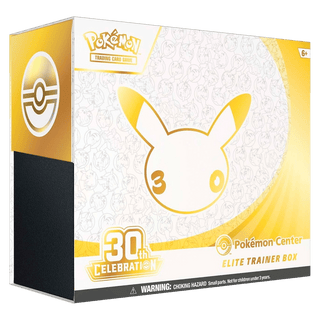
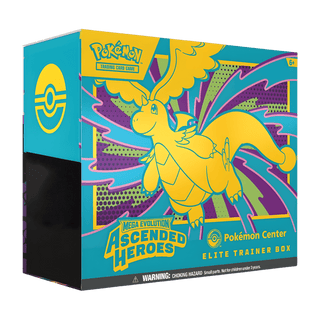
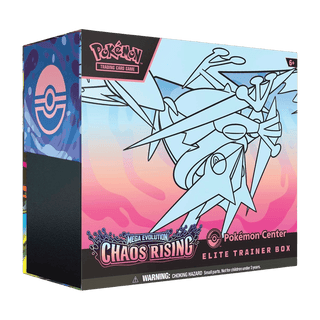
ETBs and collection boxes: Store upright on shelves, not stacked. Stacking puts weight on the bottom boxes and can crush corners over months. This is the single most common storage mistake collectors make. For high-value PC exclusive ETBs like the Phantasmal Flames or Ascended Heroes PC ETBs, acrylic display cases eliminate dust contact and accidental damage while keeping the product visible. The Vybe or Ultra Pro acrylic ETB cases (roughly £12-£18 each) are the most popular options in the UK collector community. They're a small cost relative to the product value they protect.
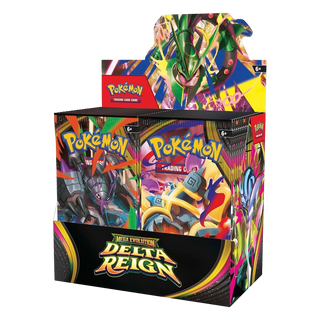
Booster boxes: These are more robust than ETBs but still vulnerable to corner damage. Store flat or upright in a dedicated area. Avoid placing anything on top of them. The shrink wrap is the product's authentication seal, so any damage to it reduces resale value. A torn or re-sealed shrink wrap invites authentication questions from buyers, even if the product is genuinely untouched inside. Some collectors add a layer of cling film around the original shrink wrap for extra protection during handling.
All of which matters most at the point of sale, when a buyer is paying for condition they can see. If that is where you are heading, our guide to where to sell Pokemon cards in the UK covers which routes reward well-kept sealed product and which do not care.
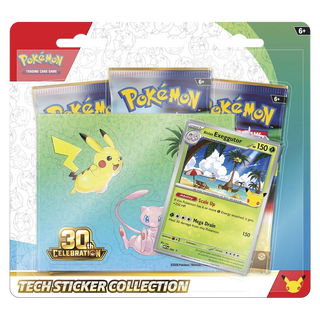
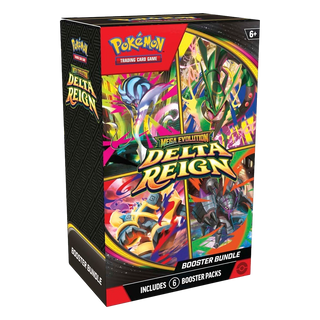
Booster bundles and packs: Keep in their original packaging. Loose booster packs are vulnerable to bending and moisture. Store bundles flat in a drawer or box rather than standing upright, as the cardboard sleeve can warp under its own weight over time. If you're storing individual loose packs, group them in small rigid containers rather than leaving them loose in a drawer where they can shift and crease.
Protecting Individual Cards
For opened cards worth keeping, protection starts immediately after pulling. Handle cards by the edges only. Oils from fingertips transfer to the card surface and can cause visible marks over time, especially on the textured finish of SIRs and Mega Attack Rares.
Penny sleeves (less than £1 for 100) go on every card you want to keep. Slide the card in from the open end, don't force it. A penny sleeve prevents surface scratching and fingerprint oils from contacting the card face. KMC Perfect Fit and Ultra Pro penny sleeves are both reliable choices readily available in the UK.
Double-sleeving (penny sleeve + fitted inner sleeve) is the standard for valuable cards. The fitted sleeve goes on inverted (open end at the bottom) to seal the card from both directions. This is the minimum protection for any card worth £5 or more. The tight seal also reduces air exposure, which slows any gradual surface degradation over years of storage.
Top loaders are rigid plastic holders for your best pulls. A double-sleeved card in a top loader is protected from bending, moisture, and impact. Use them for SIRs, Mega Attack Rares, Mega Hyper Rares, and any card you might eventually grade. Ultra Pro 35pt top loaders fit standard Pokemon cards perfectly. Avoid the thicker 55pt or 100pt versions. They're designed for thicker cards and leave too much room, allowing the card to shift inside.
Magnetic holders (one-touch cases) are a step above top loaders for your absolute best pulls. Brands like Ultra Pro ONE-TOUCH use a magnetic seal rather than a friction fit, which means zero contact pressure on the card edges. At £2-£4 each they're only practical for high-value cards, but for a Mega Gengar ex SIR or a God Pack pull, the investment makes sense.
Binders work well for displaying and organising a set collection. Use side-loading binder pages (not top-loading) to prevent cards sliding out. Never use ring binders that can indent cards when closed tightly. D-ring or O-ring binders with proper page clearance are best. The Vault X 9-pocket binder is a popular choice among UK collectors: the pages are welded rather than glued, which means they don't shed over time.
What to Avoid
Rubber bands around sealed product or card stacks damage edges and leave residue. Use paper bands or nothing.
Plastic bags that aren't archival quality can off-gas chemicals that yellow card surfaces over years. Standard zip-lock bags from the supermarket are fine for short-term transport but not for long-term storage. If you're storing long-term, use acid-free archival materials or purpose-built card storage boxes.
Moving products frequently between locations increases handling damage risk. Every time you pick up a sealed ETB, you're creating a chance for a dropped corner or fingerprint on the wrap. Set up a permanent storage location and leave products there. If you need to transport product (to sell locally or to ship) wrap each item individually in bubble wrap before placing in a box.
Where you store matters as much as how. Heated attic spaces swing between 30 and 70 percent humidity across seasons and cycle through temperature extremes that compound damage over years. Unheated garages drift towards condensation in winter and radiant heat in summer. Basements often run too humid for sealed cardboard. The best domestic storage environment is an interior room on a ground or first floor, kept at living-space temperatures year round, away from exterior walls and direct sunlight. If you collect seriously and your home can't offer that, a climate-controlled self-storage unit is worth the monthly cost once your collection crosses a few thousand pounds in value. The alternative is watching conditions you can't control chip away at the condition grade of every sealed product you own.
Storage effort should scale with what is actually inside the box. Before you buy acrylic cases for a whole shelf, our pull rate calculator shows the chase tier and current card values for each set, which tells you quickly which sealed products justify the protection and which are fine on a shelf out of the sun.
For context on why storage matters for value, our sealed appreciation guide covers how condition affects the long-term value equation. And our authenticity guide explains how proper storage also helps with authentication when you eventually sell.
Sealed products such as the Chaos Rising PC ETB are packed to arrive in storage-ready condition. Browse sealed products at Evol Vault. Every order ships with professional multi-layer packaging. Drop alerts for restocks.
Storing Sealed Pokemon Cards FAQ
Should you store ETBs flat or upright?
Upright, on a shelf. Laid flat and stacked, the bottom boxes carry the weight and their corners crush over the months, the most common storage mistake collectors make.
Can you stack booster boxes?
Better not. A booster box is sturdier than an ETB, but weight on top still dents its corners and stresses the shrink wrap, which is what a buyer checks first. Give each box its own space.
What temperature and humidity should sealed Pokemon cards be kept at?
18 to 22C and 40 to 50% relative humidity, in an interior room away from exterior walls, windows, the loft and the garage. A small hygrometer (about £10 to £15) shows the humidity; check it weekly.
Does sunlight damage sealed Pokemon products?
Yes. Direct sunlight visibly fades shrink wrap and card faces within months, so keep shelves out of the sun.
Should you take the shrink wrap off?
No. On a sealed product the shrink wrap is the seal buyers check: torn or re-sealed wrap invites authenticity questions even when the box inside is untouched.
Is an acrylic case worth it for an ETB?
For a high-value Pokemon Center ETB, yes. An acrylic ETB case (Vybe and Ultra Pro are the common UK choices, roughly £12 to £18) keeps dust and knocks off while the box stays on display.