How to Tell if Pokemon Cards and Sealed Boxes Are Real
To tell if a Pokemon card is real, compare it with a genuine card from the same set: the back should match exactly, the edge should show a thin dark core, and the text, symbols and card number should match the official card database. For sealed product, an English booster box should be wrapped in film printed with Pokemon wordmarks and Poke Balls, while Elite Trainer Boxes come in plain film, so for those, where you buy matters more than any test. Below: the checks that work, the ones that don't, and what to do in the UK if you are sold a fake.
Is this card real? Five checks, most reliable first
| Check | How | What a fake gets wrong |
|---|---|---|
| 1. The back | Hold it next to a card you know is genuine | Washed-out or blurry blues, colours bleeding into the border |
| 2. The details | Compare the front with the card's image in the official card database: font, Energy symbols, HP, attacks, set symbol and number | Wrong font or sizes, wrong symbols, a card number the set does not have |
| 3. The edge | Look at the edge side on, in good light | No thin dark core, or a card close to twice as thick (a fake front glued onto a real card) |
| 4. The torch | Shine a phone torch through it | Light passes straight through; a real card lets only a faint glow through |
| 5. The text and feel | Read it; run a finger over a full art | Spelling mistakes, "Pokemon" without its accent, flat foil where the real card is textured |
TCGplayer's authentication team rates the back comparison the most reliable check. Pokemon's own support article recommends the light test, while TCGplayer finds it unreliable on some genuine cards, so treat a fail as a warning and a pass as no proof at all. Text checks are the weakest: many fakes copy the real wording. To find the card number, every one of our set pages lists the full card list, starting from our Pokemon card sets hub.

Two popular tests are best left alone. Do not rip a card to find the core: the edge shows the same thing without the damage. And weighing is only useful against a genuine card of the same type, never against a fixed number: genuine cards vary, from about 1.6 g measured by CGC on one card to around 2 g reported by collectors for modern holos.
Is this sealed box real?
There is no official guide to Pokemon's packaging, so the checks below come from TCGplayer's authentication guide and from collectors who handle a lot of sealed product. Two things hold for every product: compare it with a box you know came from a trusted shop, and remember that the source tells you more than the wrap.

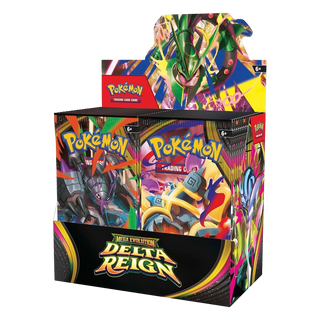
- Booster boxes (36 packs): the film is printed all over with a white Pokemon wordmark and a Poke Ball outline. TCGplayer treats hard, crackly film or no print at all as a red flag. Beaded or dimpled seams, a little loose film or a small hole are normal on genuine English boxes and prove nothing on their own.
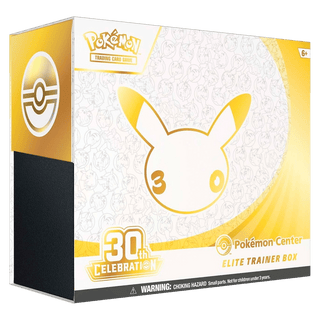
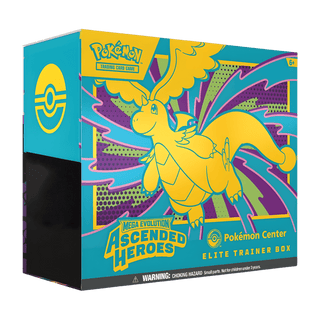
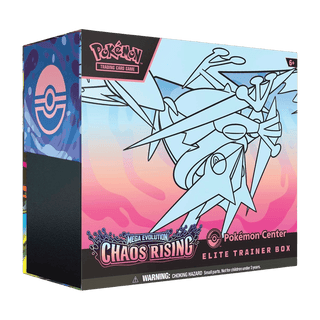
- Elite Trainer Boxes, Pokemon Center ones included: plain clear film with no print, so the Poke Ball test does not apply. Check the box itself instead: a Pokemon Center ETB carries the Pokemon Center logo, and once it is open you should find 11 packs and two promos, one stamped, against 9 packs and one promo in the standard box. We found no record of a factory seal sticker on English ETBs, so a sticker, or the lack of one, is not a test.
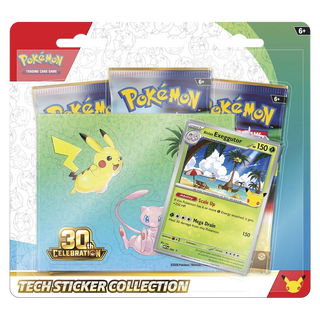
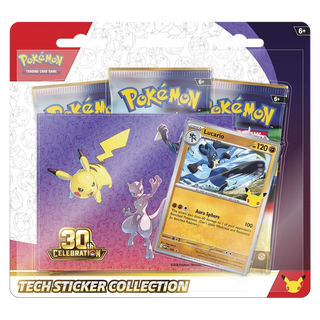
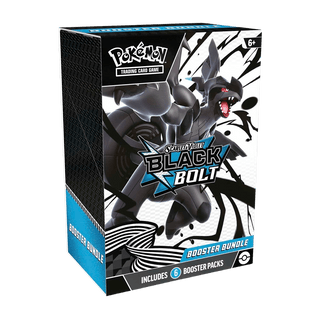
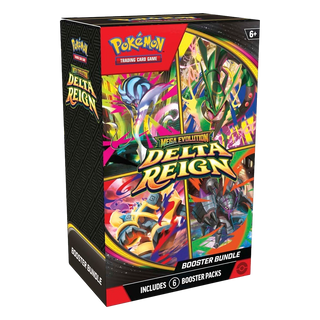
- Booster bundles and blisters: plain film, often loose, and no reliable tamper signs are documented. Buy them from a known source.
- Loose booster packs: the hardest to vouch for. Glue residue, crimps that look ironed flat or a pack with too much air inside are warnings, but genuine packs vary in crimp length and stiffness, so none of them proves a reseal. Weighing packs does not predict hits in Scarlet & Violet or Mega Evolution sets; collectors report that only God Packs stand out.
Once a pack is open, count it: every modern pack holds 10 game cards (4 Common, 3 Uncommon and 3 foils, at least one of them Rare or better), plus a basic Energy and a code card, according to Pokemon's support page. To see what a genuine pack of a given set should hold, our pack opening simulator opens packs slot by slot with that set's structure and pull rates. Grading companies will not settle it for you either: PSA authenticates unopened packs but not boxes, and its label does not vouch for the cards inside.
Where you buy matters more than any test
Pokemon's own advice is to buy from shops that know the product, and it says the most reported counterfeit sales come from flea markets. Collectors agree that provenance beats any physical check, and that new marketplace sellers with little feedback are the riskiest. For singles, ask for close-up photos of the front, back and edge before you pay; for a graded card, check the certificate number on the grading company's own site (our UK grading guide lists the graders).
At Evol Vault, every Pokemon Center exclusive is sourced directly from Pokemon Center UK and ships factory sealed in its original wrap, tracked, so there is one step between the Pokemon Center and you. Drop alerts tell you when our next allocation opens.
If you are sold a fake in the UK
- Your rights: Citizens Advice says you are entitled to a full refund for a fake within 30 days; from 30 days to 6 months the seller may replace it with a genuine item or refund you. A seller cannot refuse because the price was low.
- eBay: purchases paid through eBay's checkout are covered by its Money Back Guarantee for 30 days from delivery, counterfeits included. Its Authenticity Guarantee covers single cards of £250 or more and does not list sealed product.
- PayPal: an item sold as authentic that is counterfeit counts as "significantly not as described"; open a dispute within 30 days of delivery or 180 days of payment, whichever comes first.
- Card payments: ask your bank about a chargeback; for a credit card purchase between £100 and £30,000, a Section 75 claim.
- Report it: through the Citizens Advice consumer service (0808 223 1133), which passes reports to Trading Standards, and to Report Fraud (0300 123 2040).
Pokemon Card Authenticity FAQ
How can you tell if a Pokemon card is fake?
Compare it with a genuine card from the same set: the back, then the details against the official card database, then the edge for a thin dark core. A torch test is a quick first pass, but only a fail means anything.
How do you know if a booster box has been resealed?
Check the film: a genuine English booster box is wrapped in film printed with Pokemon wordmarks and Poke Balls, and hard, crackly or unprinted film is a red flag. Loose film, dimpled seams and small holes are normal and prove nothing on their own; the seller's history tells you more.
Do Elite Trainer Boxes have Poke Balls on the wrap?
No. English ETBs, Pokemon Center ones included, normally come in plain clear film; the printed Poke Ball film is a booster box feature.
Does the light test work on Pokemon cards?
As a first pass. Pokemon recommends it, but TCGplayer finds it unreliable on some genuine cards, so a card that lets light straight through is a warning and a card that passes still needs the back and edge checks.
Can you weigh Pokemon packs to find the hits?
Not in modern sets: collectors' tests show weight does not predict the hits in Scarlet & Violet or Mega Evolution packs, apart from God Packs. It is still a reason to prefer sealed boxes from a trusted shop over loose packs.
What should I do if I bought a fake Pokemon card in the UK?
Ask the seller for a refund, which you are entitled to within 30 days; claim through eBay's Money Back Guarantee, PayPal or your card provider if the seller refuses; and report the seller through the Citizens Advice consumer service.