Pokemon Card Rarity Guide Explained
Pull a card from a Pokemon booster pack and the first thing most collectors look at is the bottom-left corner. That small symbol tells you exactly how rare the card is, how much it might be worth, and whether you should be excited or filing it in the bulk pile.
The rarity system in modern Pokemon TCG has expanded significantly since the Mega Evolution era launched in September 2025. Where older sets had three or four tiers, current sets can have eight or more distinct rarity levels. Knowing what each one means saves you from undervaluing a pull or overpaying for a common.
The Base Rarities
Every set starts with three foundation tiers that make up the majority of cards you'll pull.
Common (circle symbol) cards appear multiple times per pack. They're the backbone of the set, usually basic Pokemon and simple Trainer cards. In a standard 10-card booster pack, expect 5-6 commons. These cards rarely hold secondary market value unless they feature artwork from a particularly popular artist or become relevant in competitive play years after release. Reverse holo commons carry a slight premium in binder collections, but we're still talking pence rather than pounds.
Uncommon (diamond symbol) cards show up once or twice per pack. Stage 1 evolutions, useful Items, and mid-tier Trainer cards live here. Occasionally a competitive staple appears at uncommon, which gives it disproportionate play value. In the Mega Evolution era, several key Trainer cards that see regular tournament play sit at uncommon rarity, keeping deck-building costs accessible. A playset of four uncommon Trainers might cost under a pound, whereas the same card at a higher rarity would run significantly more.
Rare (star symbol) cards guarantee at least one per pack. This is where holographic cards start, and where casual collectors begin caring about pulls. A rare holo of a popular Pokemon holds modest value, especially in foil variants. Current Mega Evolution era holos use a layered prismatic effect that catches light differently from the linear holo patterns of earlier generations. For popular Pokemon like Pikachu, Eevee, or any starter evolution, even a standard rare holo can hold a few pounds of value long-term.
The Chase Rarities
Above rare is where the real excitement lives. These are the cards that make collectors crack pack after pack.

Illustration Rare (IR) cards feature extended alternate artwork that goes beyond the standard card frame. The Pokemon is drawn in a scene rather than posed against a generic background. These appear roughly once every 9 packs. If you pull one from an ETB, you've had a solid session. The quality gap between a standard rare and an IR is immediately obvious. Artists like Mitsuhiro Arita and Kouki Saitou have produced some of the most collectible IRs in the Mega Evolution era, where the artwork alone drives demand regardless of which Pokemon is featured.
Ultra Rare cards include full-art Pokemon ex and Trainer cards with textured holofoil patterns. The artwork covers the entire card face. These show up approximately once every 12 packs and consistently hold trade value. The texture on Ultra Rares is a key authentication point — genuine cards have a consistent embossed pattern you can feel when running a fingernail across the surface. This texture is extremely difficult to replicate, which is one reason Ultra Rares hold value well in the graded card market.
Special Illustration Rare (SIR) cards are the main chase cards of any modern set. Panoramic artwork, unique compositions, and the most visually ambitious designs Pokemon produces. The Mega Gengar ex SIR from Ascended Heroes trades above $1,000. SIRs appear roughly once every 80 packs, making them genuinely rare pulls. What separates a good SIR from a great one is the composition. The best SIRs tell a story, placing the Pokemon in an environment with depth, movement, and atmosphere that makes you want to frame the card rather than sleeve it.
Mega Evolution Era Exclusives
The Mega Evolution era introduced two new rarity tiers that don't exist in older sets.
Mega Attack Rare (MAR) cards debuted in August 2025 and feature Mega Evolution Pokemon with dynamic attack animation artwork. They sit between Ultra Rare and SIR in both rarity and value. Roughly 7 appear per set, with pull rates around 1 in 40 packs. The attack animation style is distinctive: each MAR shows the Mega Evolution mid-attack, with energy effects radiating from the card's centre. The foil treatment uses a directional shimmer that creates the illusion of movement when you tilt the card, which photographs well and helps maintain secondary market demand.
Mega Hyper Rare cards are the rarest pulls in the current era. Full gold-foil treatment with gilded borders on Mega Evolution Pokemon. Pull rates sit around 1 in 1,260 packs. Pulling one from a single booster box would be exceptional luck. To put those odds in perspective, 1,260 packs is roughly 35 booster boxes. At current pricing, you'd spend well over $5,000 chasing a specific Mega Hyper Rare through sealed product alone. This is why buying the single card is almost always more economical than chasing through packs.
How to Identify Rarity at a Glance
Beyond the symbol, texture tells you a lot. Run your finger across the card surface:
Smooth and flat = Common, Uncommon, or standard Rare. Light texture or raised pattern = Illustration Rare or Ultra Rare. Heavy texture with distinct ridges = SIR, MAR, or Mega Hyper Rare.
Card thickness matters too. Higher rarity cards from the Mega Evolution era use slightly thicker card stock with more pronounced foil layering. If a card feels weightier than the commons from the same pack, check the rarity symbol twice. The light test is another quick method — hold the card up to a bright light source. Commons and uncommons allow light through relatively evenly, while higher rarity cards with foil layers block light in patterns that correspond to the holofoil treatment.
Rarity and Value
Higher rarity doesn't automatically mean higher value. A SIR of a niche Pokemon might trade for less than an Illustration Rare of Charizard or Pikachu. The Pokemon on the card matters as much as the rarity tier. Collector demand follows popularity, not just scarcity.
That said, as a general rule: SIRs, MARs, and Mega Hyper Rares from popular sets hold value well. Illustration Rares hold moderate value. Everything below rare is bulk unless it sees competitive play.
The relationship between rarity and value also shifts over time. When a set first releases, the highest rarity cards command the biggest premiums because supply is low. Six months later, as more product gets opened, mid-tier rarities like IRs often see price corrections while top-tier SIRs and Mega Hyper Rares stabilise or climb. The truly rare cards remain scarce even as overall supply increases.
For context on how rarity affects sealed product value, our sealed investment guide covers the relationship between chase card strength and long-term appreciation. And if you're wondering whether a pull is authentic, our authenticity guide covers what to check.
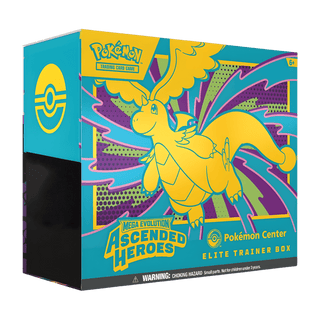
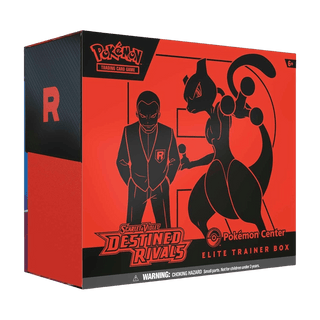
The Ascended Heroes PC ETB gives you 11 shots at pulling across all these tiers. Ready to chase some of these rarities yourself? Browse the current sealed product range at Evol Vault, or sign up for drop alerts to catch restocks as they land.